Claw toes or hammertoe: differences and protection options
It may start with a small discomfort: a toe rubbing against the shoe, a callus that keeps returning or the feeling that your toes no longer rest as they used to.
Curved toes are not all the same. A hammertoe differs from claw toes, and that distinction matters when choosing protection.
What are claw toes?
With claw toes, the base of the toe tends to lift while the next two joints bend downward. The toe loses its horizontal position and takes on a claw-like shape. This can create pressure on the top of the toe, its tip and the spaces between toes.
What is a hammertoe?
Hammertoe mainly affects the middle joint of a lesser toe, making its central part rise and rub against the shoe. Pain, stiffness, swelling and calluses can occur, especially when the toe box is tight.
Claw toes, hammertoe and mallet toe
| Condition | What happens | Typical rubbing point |
|---|---|---|
| Hammertoe | The middle joint bends. | Top of the knuckle. |
| Claw toe | The base lifts and the next two joints bend. | Top, tip and spaces between toes. |
| Mallet toe | The joint closest to the nail bends. | Tip of the toe. |
Does flexibility matter?
A flexible toe can gently return toward a straighter position. A rigid toe remains bent. Do not force this test: it is only a guide and does not replace professional assessment.
How to choose protection
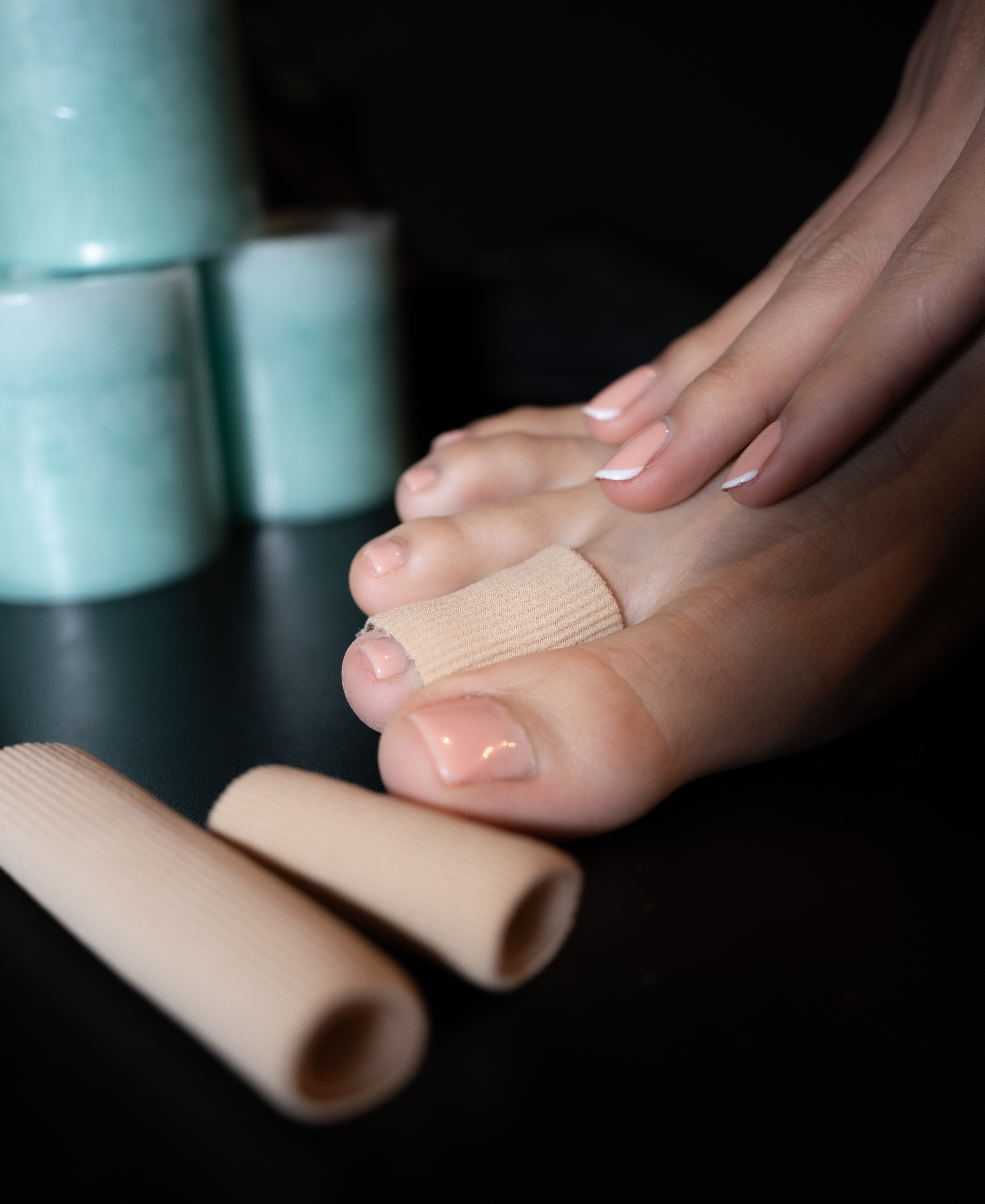
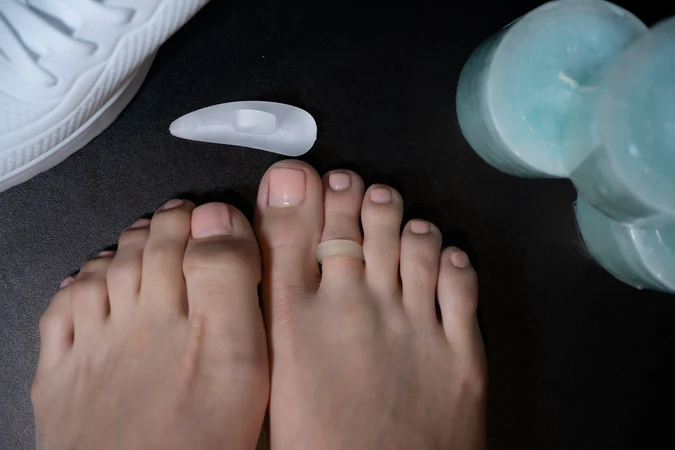
Start with footwear that has a wide, rounded toe box and enough room to move. If toes rub or overlap, the NXT012 Gel Separator can help create a soft space between them. If a hammertoe is still flexible, the NXT007 Corrector Stirrup can help support its position. For a localized callus or rubbing point, the NXT014 Cut-to-size Protector Tube can create a barrier between skin and footwear.
Do not force a rigid toe, continue using a product that causes pain or cover an open wound without professional advice.
When to seek professional advice
Seek advice if pain changes your walk, the toe cannot straighten, calluses keep returning, there is a wound, swelling, color change, tingling or loss of sensation, or if you have diabetes, arthritis or a neurological condition.
Frequently asked questions
Can a toe separator correct claw toes?
It may reduce rubbing and improve the space between toes, especially when the deformity is flexible. It cannot correct a rigid deformity on its own.
Can I use protection if I have diabetes?
Ask a professional first because reduced sensitivity can make excessive pressure difficult to notice.
Editorial team: Grupo Thera. Last updated: August 27, 2026.
Note: This content is informational and does not replace medical or podiatric evaluation.